Eco Friendly Products Business
Creating packaging solutions that meet every need while caring for the planet sustainably
The development of these eco-friendly products reflects Thantawan Industry’s commitment to creating packaging solutions that balance performance, market demands, and environmental responsibility. Through this approach, we continue to move toward a more sustainable future for the packaging industry.
Our Eco-Friendly Products
Bio-based Plastic
Bio-based plastic is a type of plastic material produced from Bio-based Materials derived from renewable resources, such as sugarcane, cassava, and corn. These plant-based resources can be naturally replenished through cultivation.
The plant materials are processed through industrial conversion processes to produce bio-based plastic resins, which can then be used to manufacture packaging and plastic products in the same way as conventional plastics.



PIR and PCR (Post-Industrial Recycled / Post-Consumer Recycled)
PIR and PCR refer to recycled plastic materials that are returned to the production cycle through reprocessing, allowing them to be used again as new raw materials. These materials are categorized into two types:
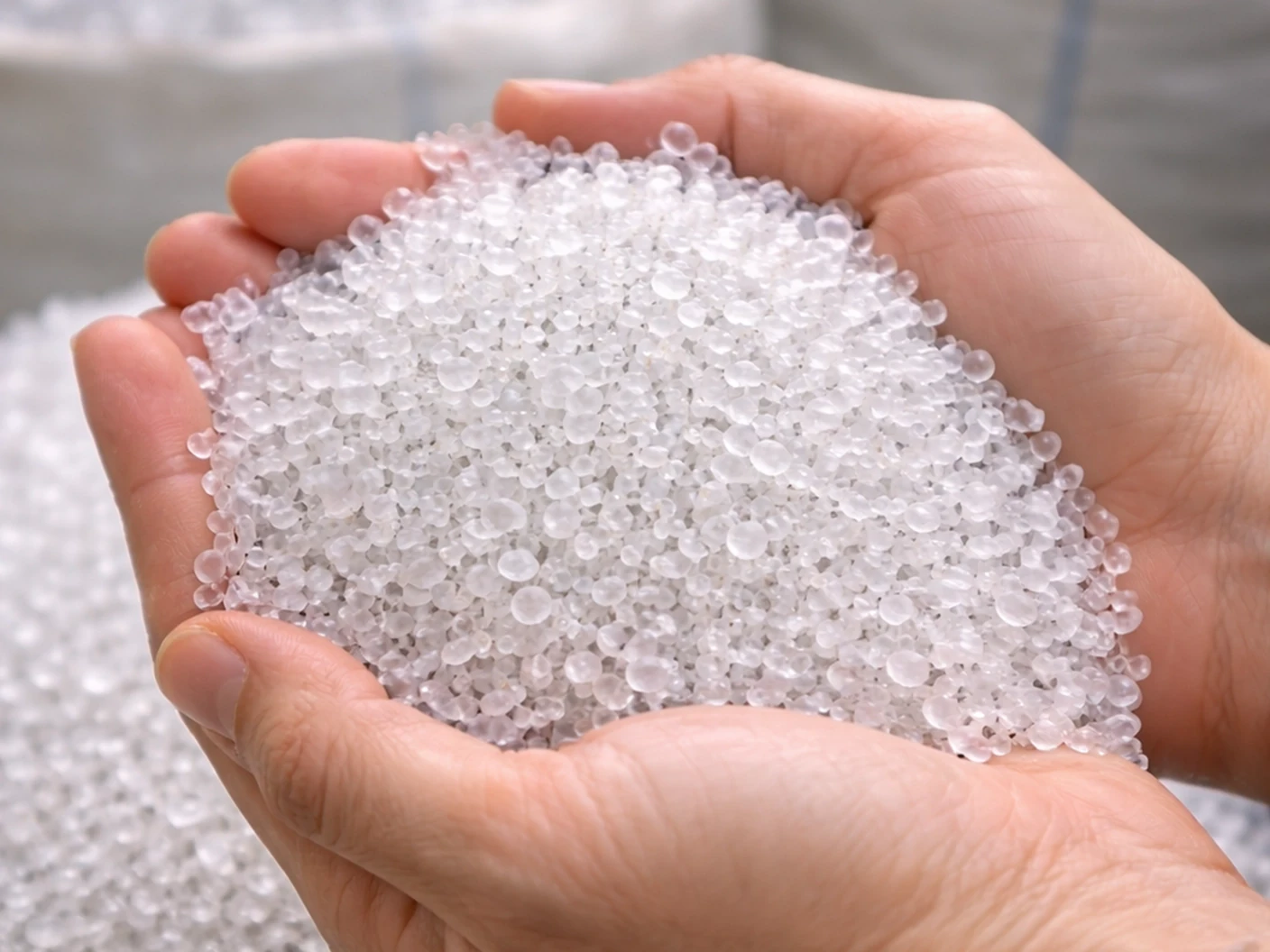
PIR (Post-Industrial Recycled)
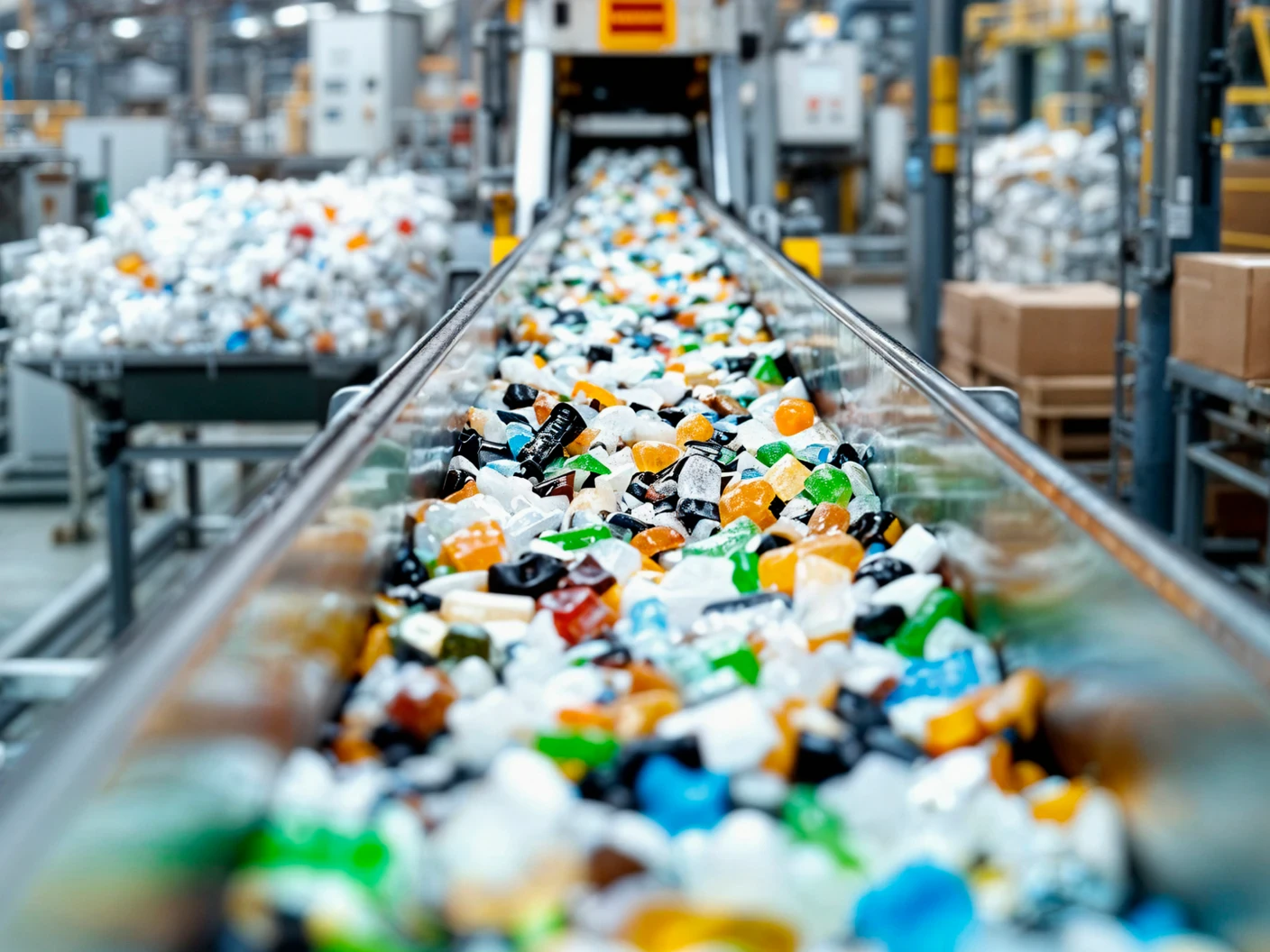
PCR (Post-Consumer Recycled)
These plastics undergo a controlled recycling process that includes sorting, cleaning, shredding, and remelting to produce recycled plastic resins suitable for reuse in manufacturing.
With advanced recycling technology and proper quality control, PIR and PCR materials can be effectively reused in production. This approach helps to:
- Reduce dependence on virgin plastic derived from natural resources
- Decrease the volume of plastic waste requiring disposal
- Promote more efficient use of materials and resources
- Support circular economy principles and sustainable manufacturing practices
The use of PIR and PCR recycled materials represents an important pathway for industries to reduce environmental impact while creating additional value from previously used resources.

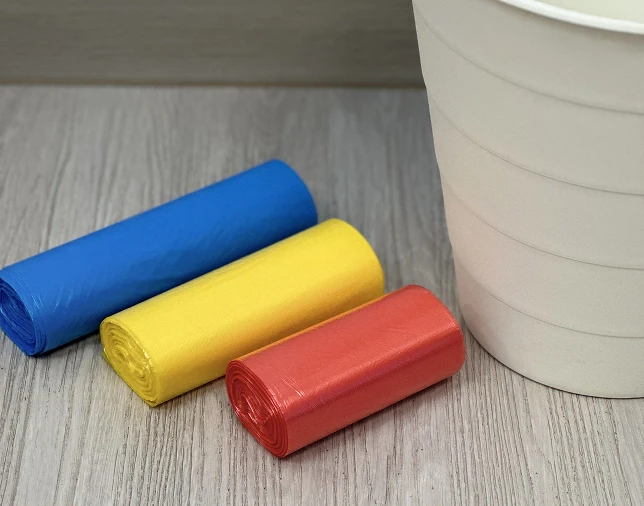
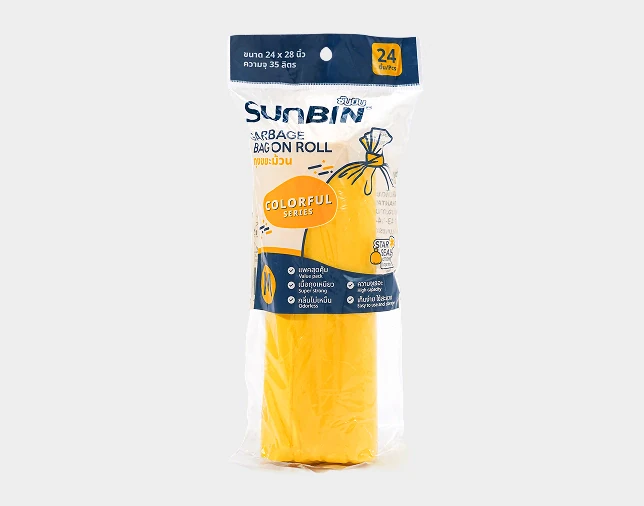
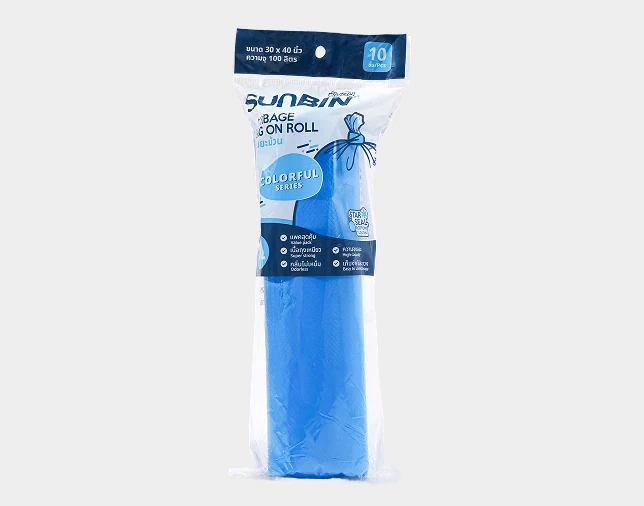
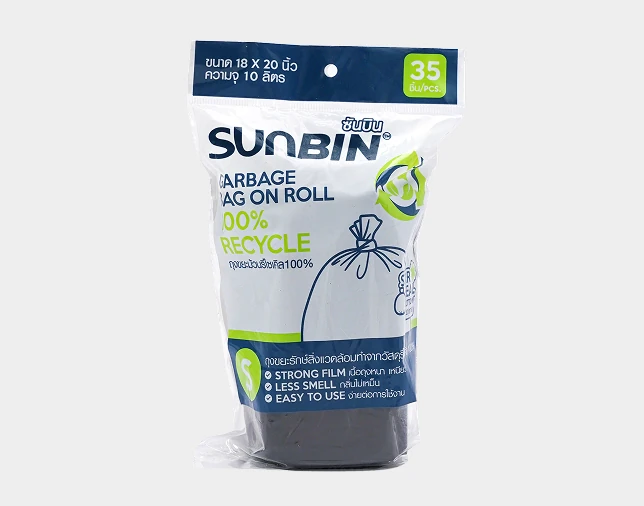
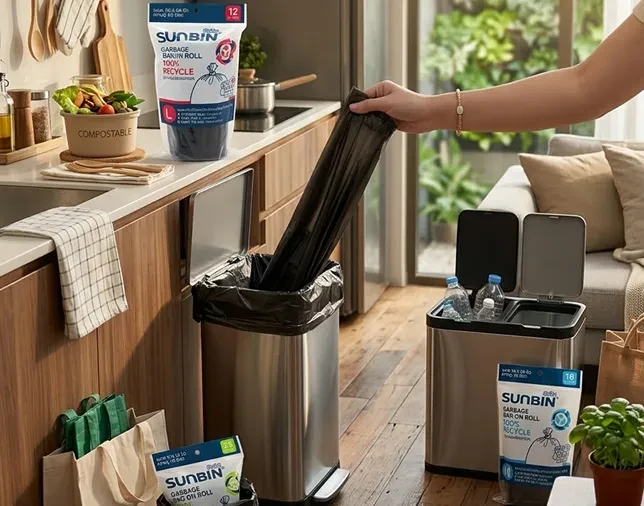
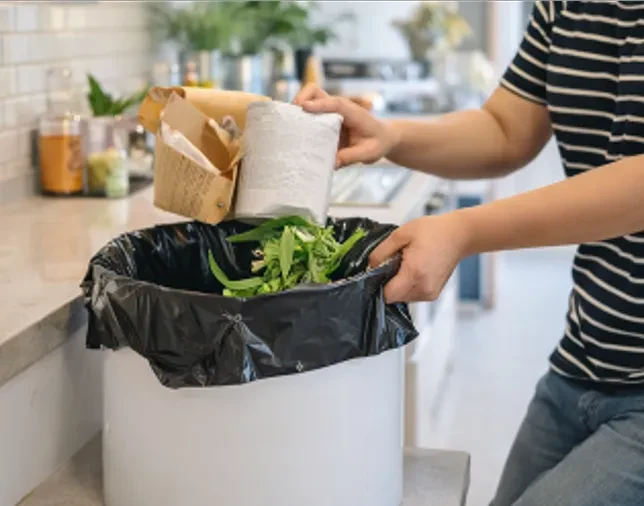
Compostable
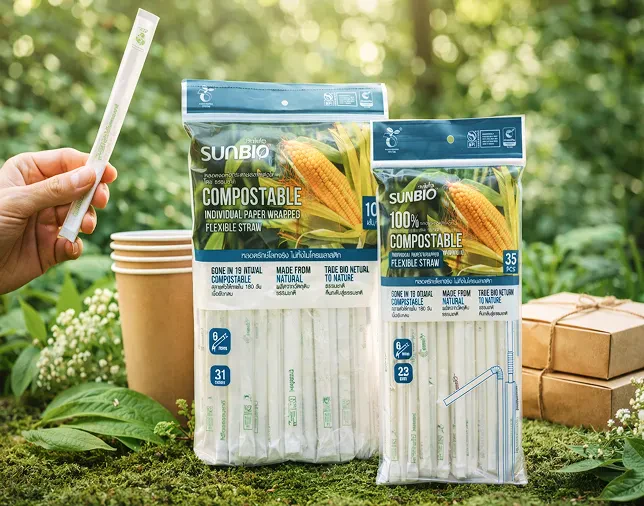
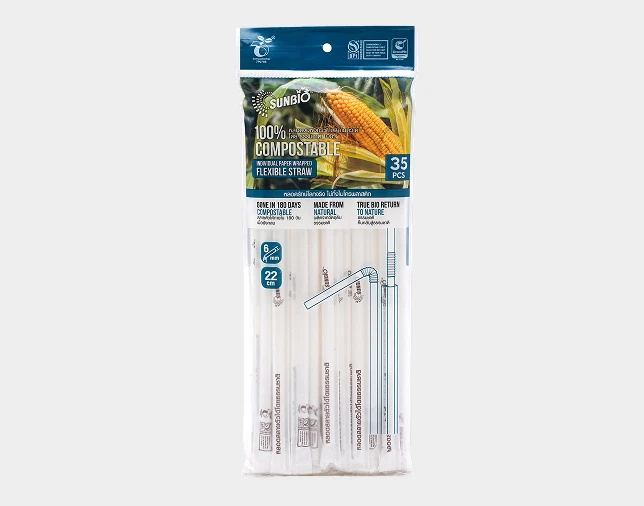
Compostable packaging is produced from bio-based materials that can naturally decompose through the composting process when exposed to suitable environmental conditions, such as adequate moisture, temperature, and microbial activity.
Under these conditions, the materials break down into water (H2O), carbon dioxide (CO2), and biomass, without leaving behind microplastics or toxic residues in the environment.
Our products are conforming to International Standards for Compostable Packaging, including the following
Compliant with EN13432 and ASTM D6400 standards, and certified by DIN CERTCO (Germany), the Seeding logo, and the Biodegradable Products Institute (BPI), our products are guaranteed to be fully biodegradable under proper conditions. They also include convenient disposable options that perform on par with conventional plastics while offering a more environmentally friendly alternative.
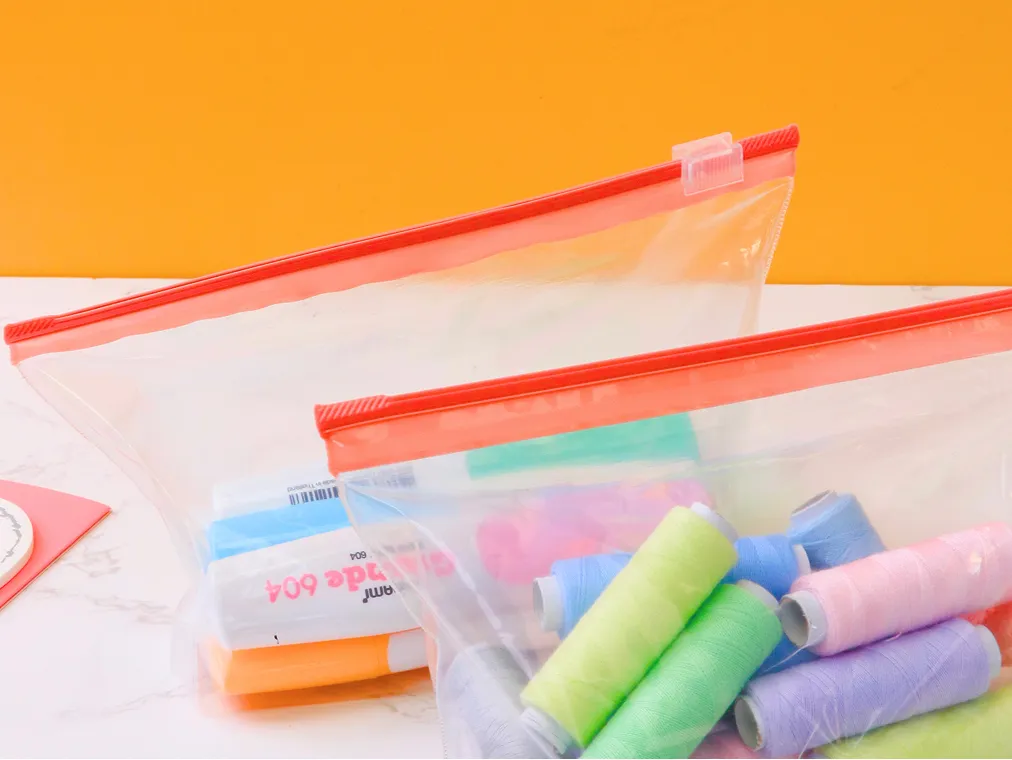
Zip Bags

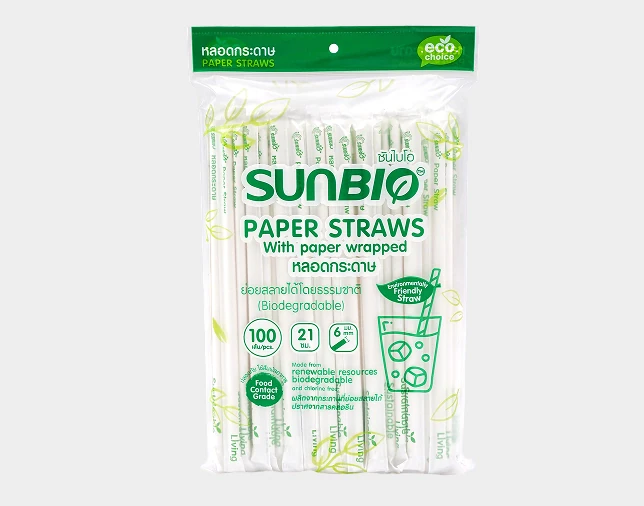
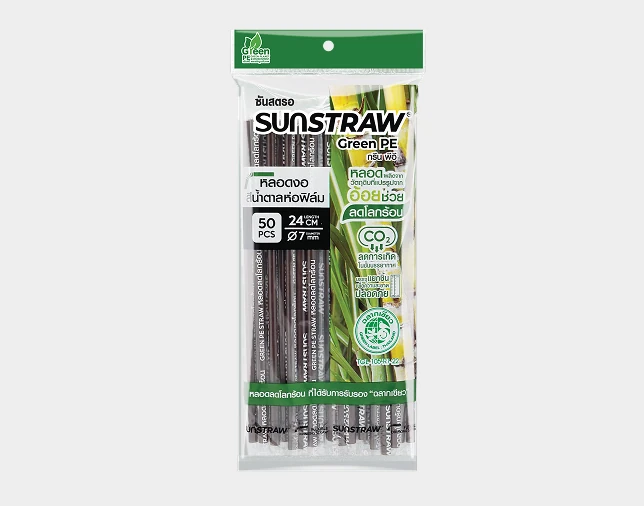
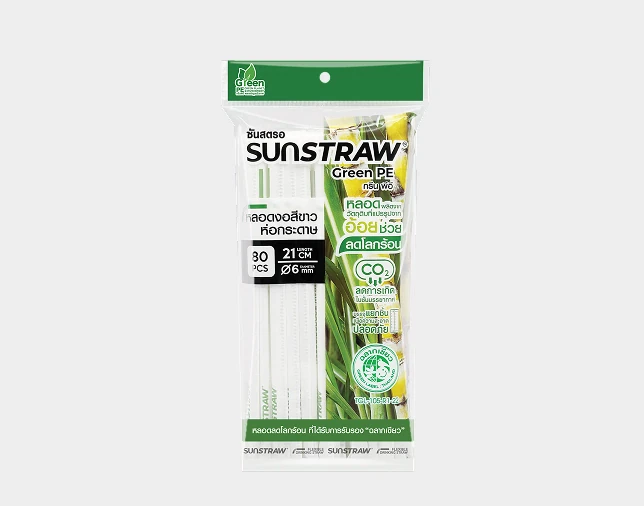
Plastic Straws
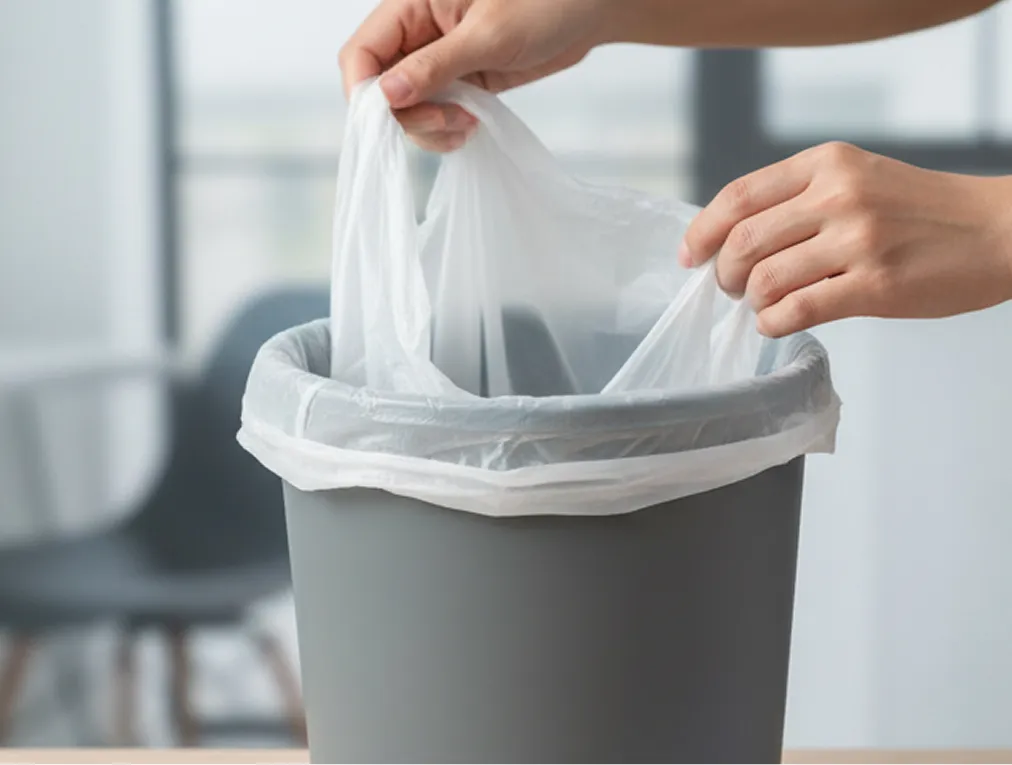
Garbage Bags

Gloves